
2026 Blue Level (Advanced) Marine Educator Training Course:Advancing Marine Education through Ocean Safety and Aquatic Resilience Along the Changhua Coast
Project Assistant:KUO,CHIA-YU
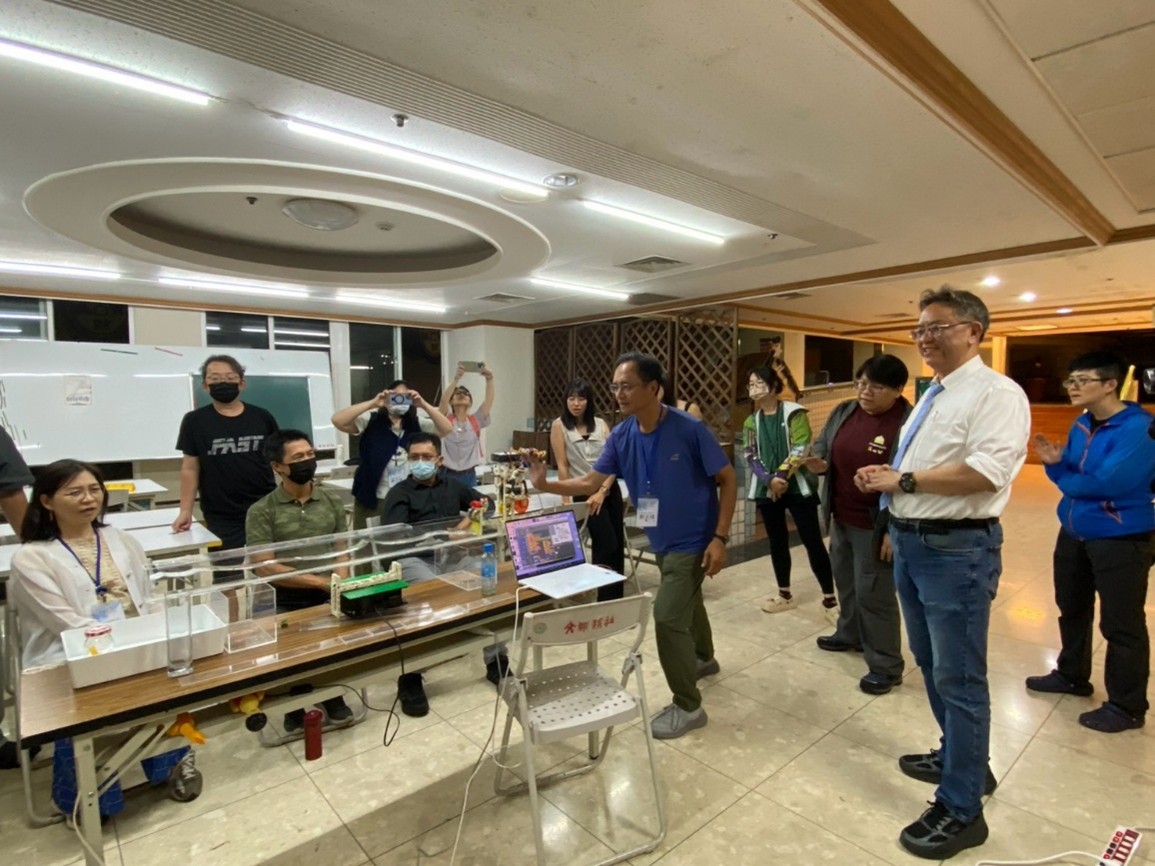
The Taiwan Marine Education Center held its 2026 Blue Level (Advanced) Marine Educator Training Course in Changhua County from July 27 to 31. Centered on ocean safety and aquatic resilience, the course drew on the natural environment, cultural history, and social issues of the Changhua coast. Through thematic lectures, field visits, hands-on activities, instructional research and development, and presentations of their work, participants deepened their professional knowledge and skills in marine education and strengthened their ability to integrate different disciplines into teaching practice.
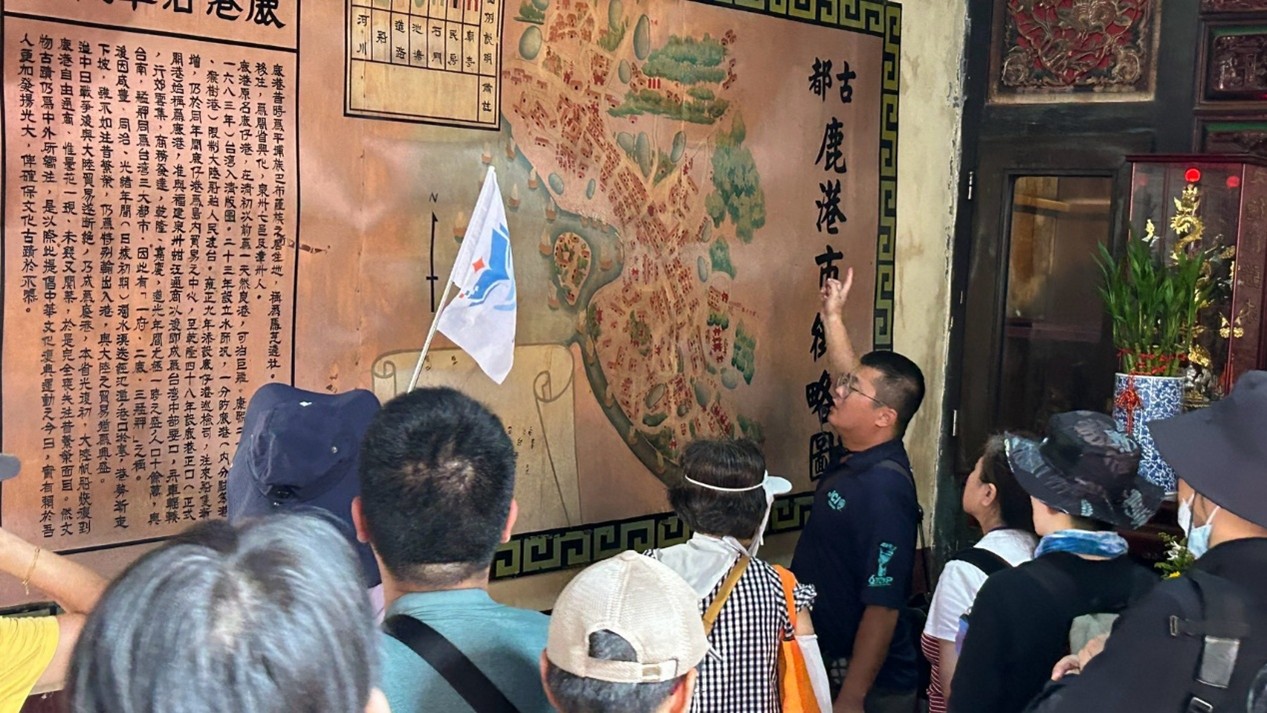
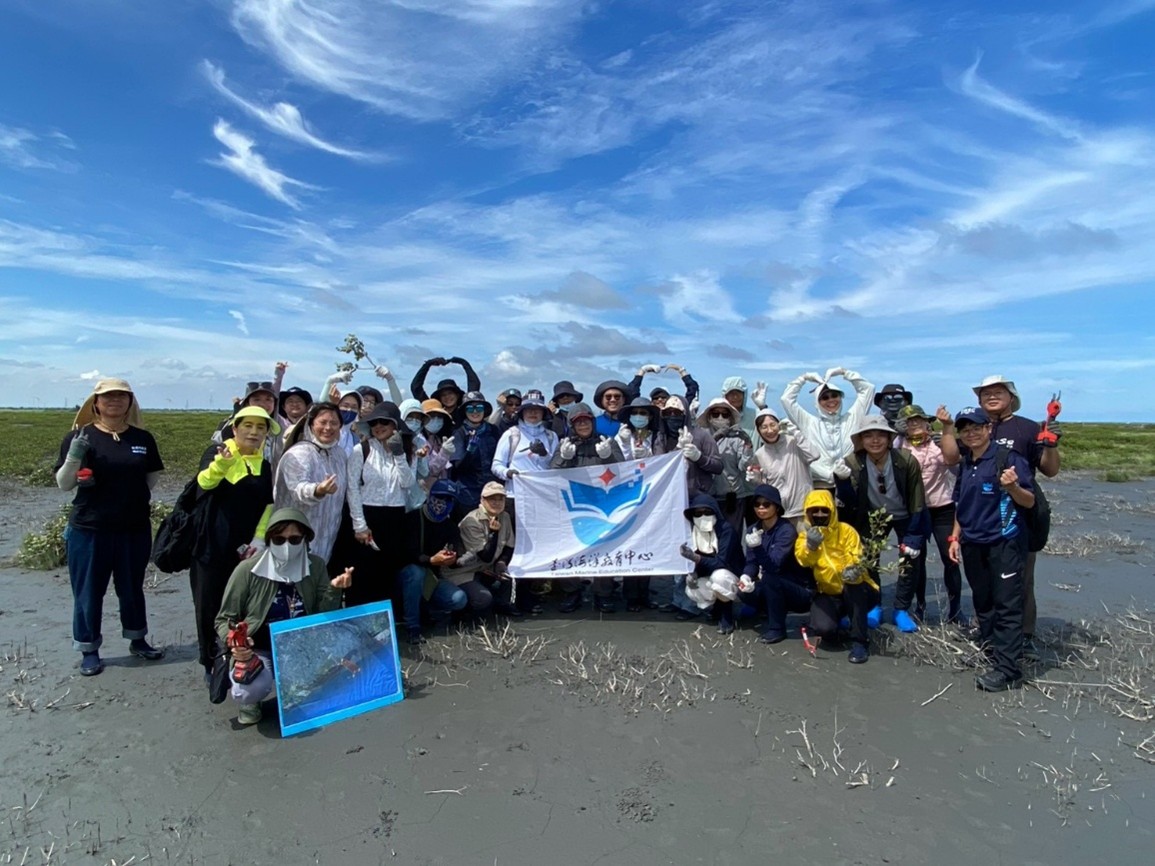
The curriculum addressed three dimensions of marine education: the natural environment, culture, and society. Sessions on the natural environment focused on mudflat ecology, benthic biodiversity, and the effects of mangrove expansion on wetland environments. Field visits to the Dacheng and Fangyuan wetlands, together with hands-on mangrove removal, helped the participants understand the value of habitat conservation through direct action. The cultural component traced Taiwan’s maritime development, examining changes along the Lukang coast, settlement development, and maritime religious traditions to help the participants understand the connections between the ocean and local culture.
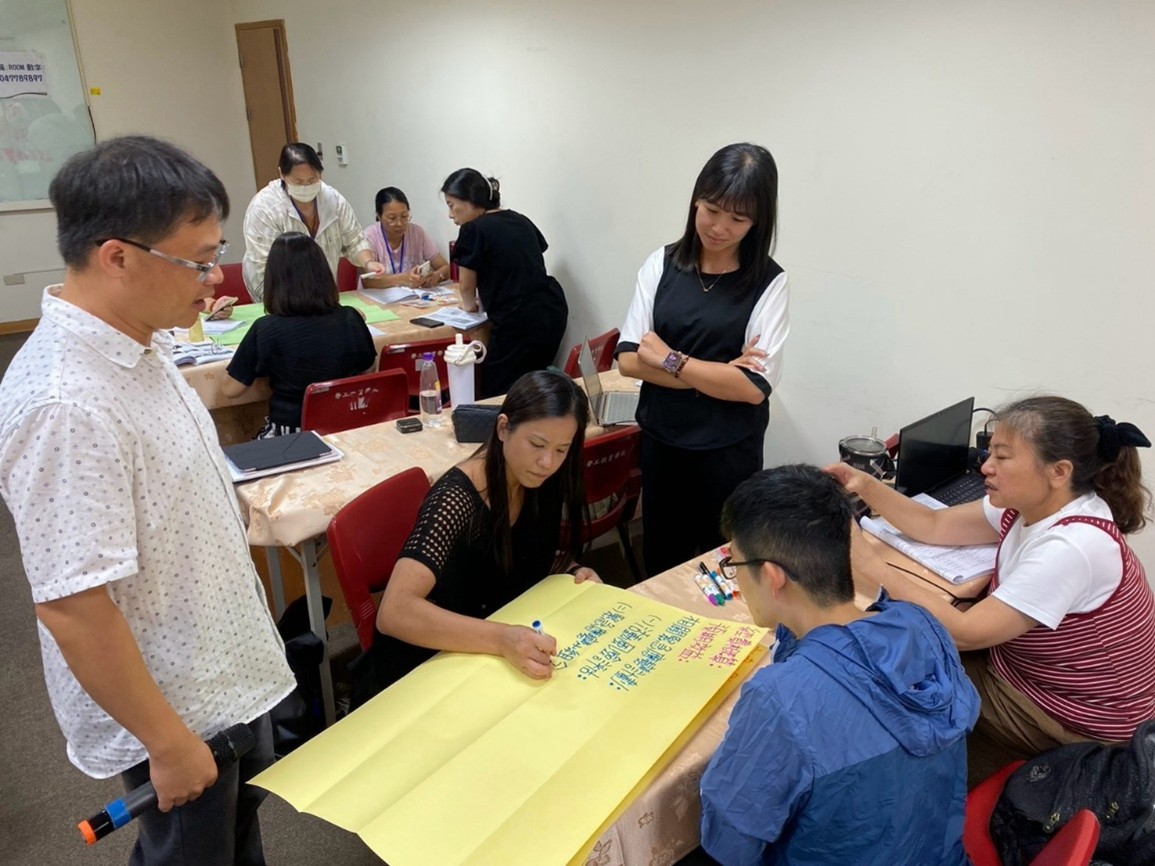
The course also addressed typhoon-induced storm surges, coastal disaster prevention, offshore wind power, coastal erosion, land subsidence, and spatial planning for climate adaptation, helping the participants understand the challenges facing coastal environments under climate change. Practical activities in planning marine education activities, managing educator communities, and developing lesson plans enabled the participants to translate marine topics into curriculum plans suitable for classroom use.
At the conclusion of the course, each group presented its interdisciplinary teaching designs and refined them through instructor feedback and discussion. The Blue Level course enhanced educators’ professional capabilities in marine education while encouraging exchanges among partners and closer connections within educator communities. The participants were encouraged to apply what they had learned in their schools and communities, continue advancing marine education in practice, and help nurture a new generation with ocean literacy and the capacity to take environmental action.