
2026 Green Level (Introductory) Marine Educator Training Course:Connecting Urban Rivers with Marine Education through River Cleanup and Water Self-Rescue Practice along the Bazhang River
Project Assistant:KUO,CHIA-YU
The Taiwan Marine Education Center held its 2026 Green Level (Introductory) Marine Educator Training Course in Chiayi City. Guided by the idea that “the ocean’s connections begin inland, and cities form part of its wider environment,” the course encouraged participants to begin with the rivers and streams around them and reconsider the inseparable connections among the ocean, cities, rivers, and human life. This approach broadened their perspectives on teaching marine education.
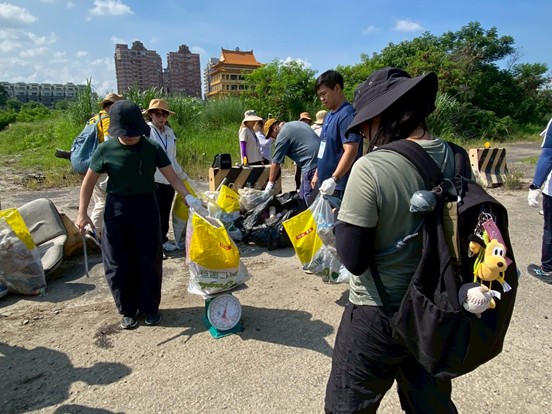
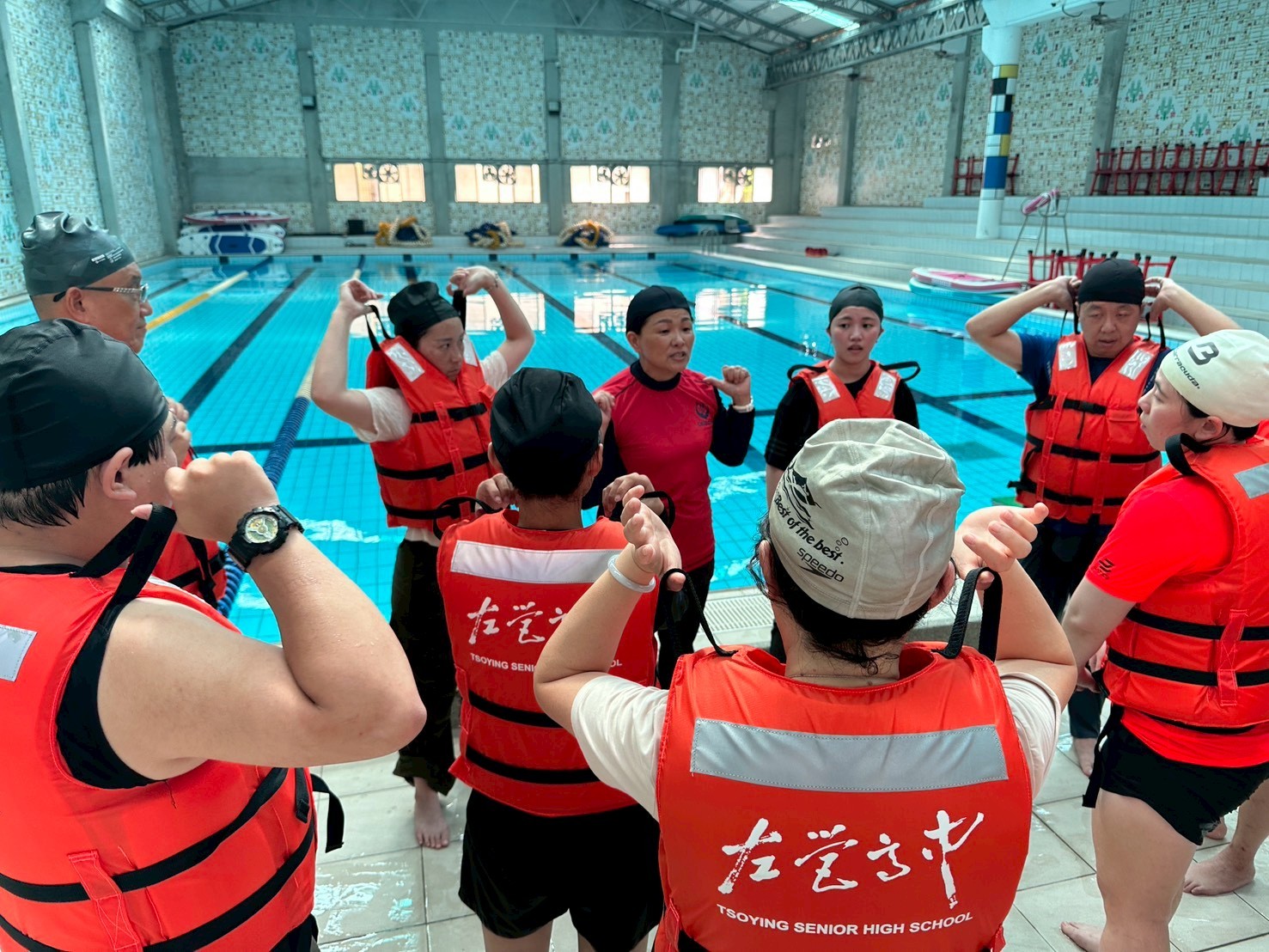
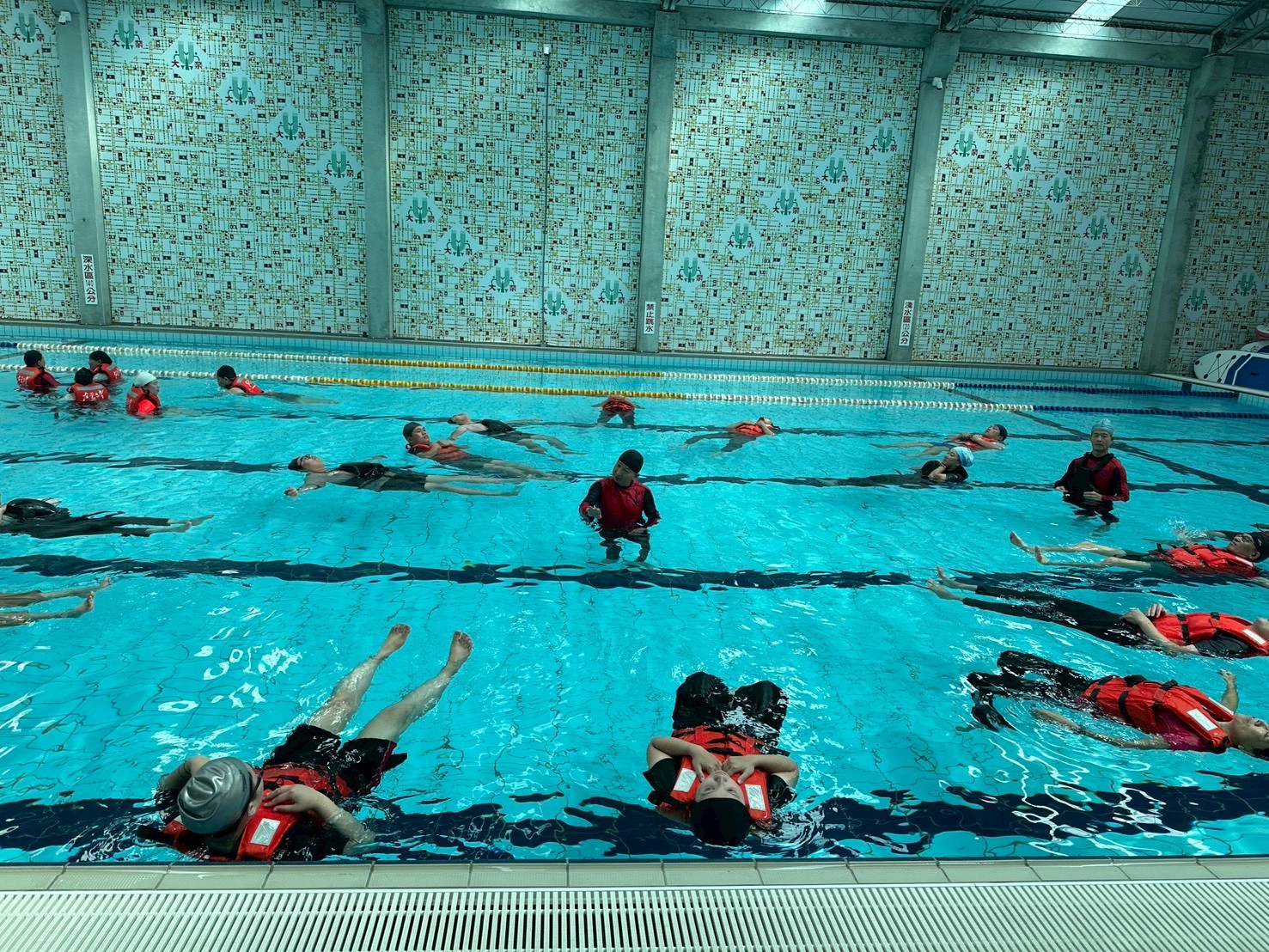
A typhoon prompted a shift to a blended format combining in-person and online instruction to ensure the participants’ safety while traveling and maintain course quality. During the in-person sessions, the participants took part in a cleanup along the Bazhang River. Classroom activities used publicly available marine waste statistics to examine the sources of marine waste and its negative effects on the marine environment. The participants also explored ways to reduce plastic use in schools and everyday life, translating marine conservation principles into daily practice. Afternoon sessions combined analyses of river accidents with practical instruction in water safety, drowning prevention and self-rescue, knot tying, and the construction of simple flotation devices. These activities strengthened the participants’ knowledge and skills for safe activities in and around water and encouraged them to consider how to incorporate water safety education into their teaching.
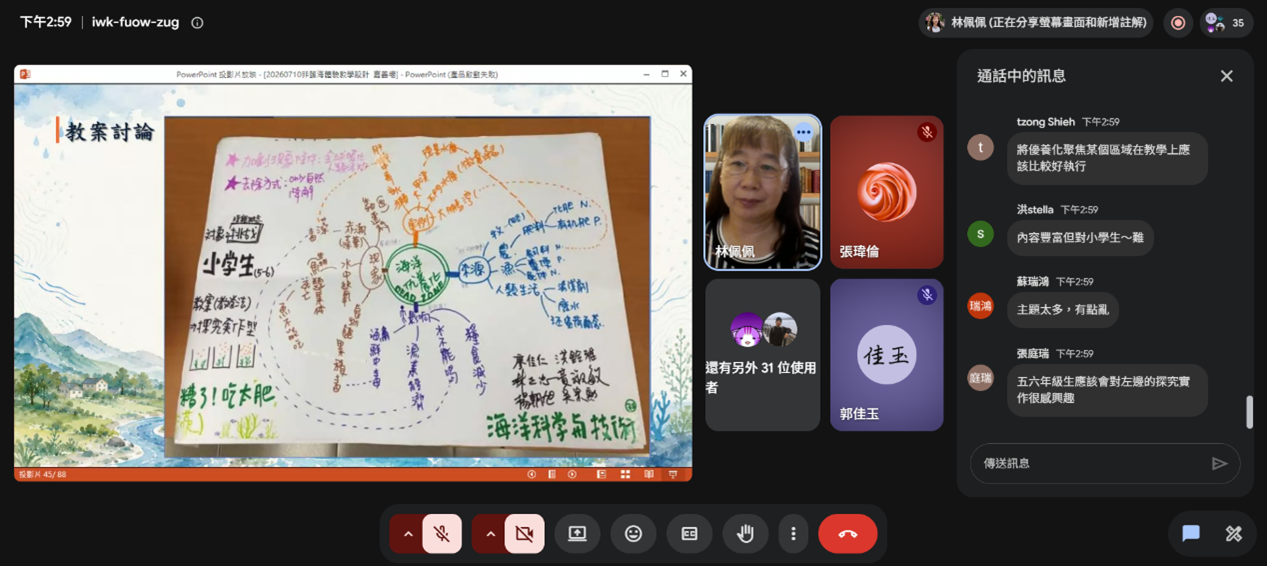
The online sessions introduced marine education resources and examined topics such as the ocean and climate change, coastal hazards, and disaster prevention and adaptation. Through hands-on instructional design activities, the participants explored how to develop marine education curricula grounded in local contexts in communities away from the coast. The course encouraged educators to incorporate marine topics subject areas and help students connect their everyday environments with the ocean, extending marine education beyond coastal areas and nurturing a new generation with ocean literacy and the capacity to take environmental action.