
Workshop on Integrating Drama Into Marine Education
Assistant Research Fellow:HUNG, LING-YA
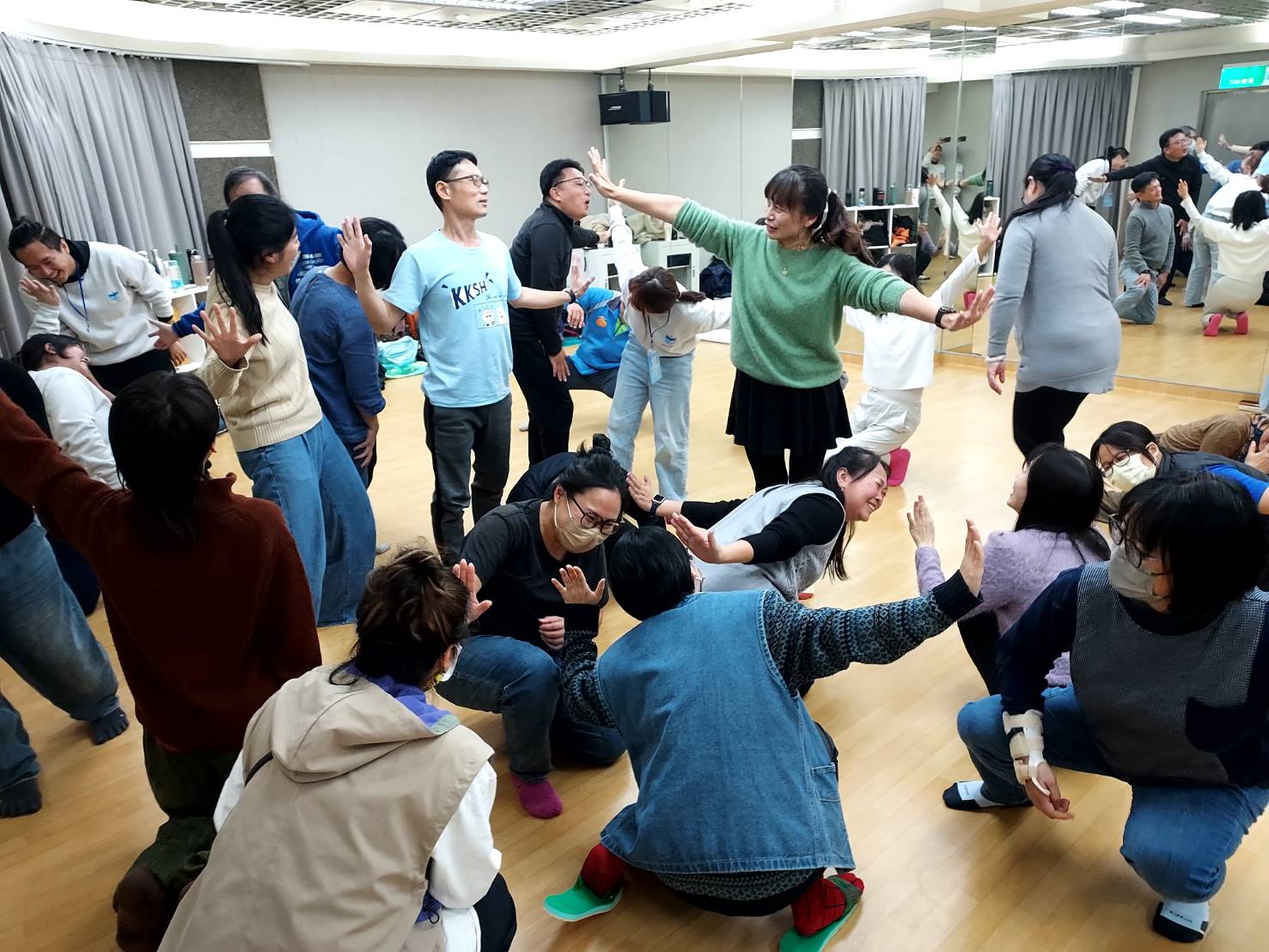
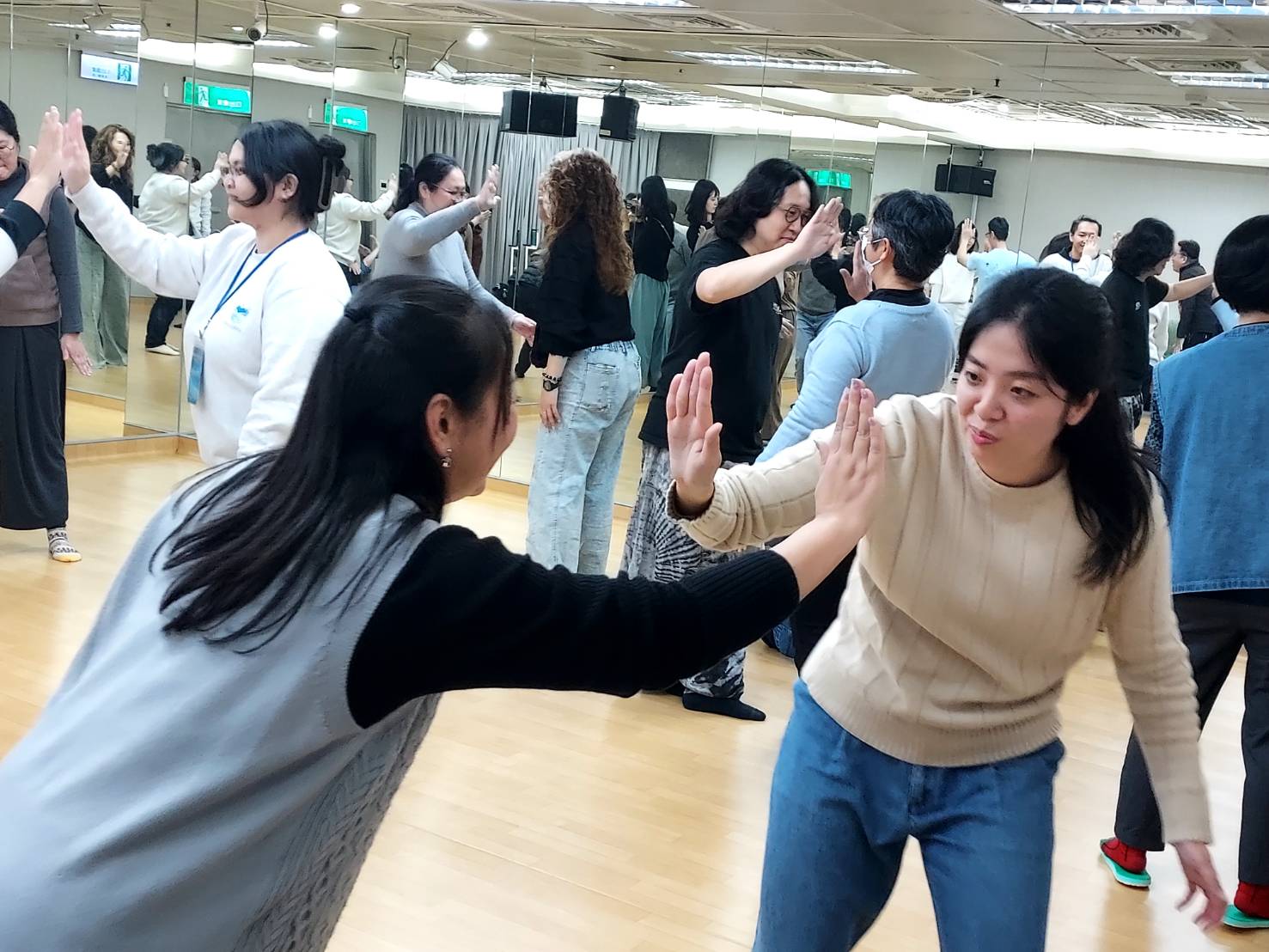
From January 24 to 26, 2026,the Taiwan Marine Education Center hosted the Workshop on Integrating Drama Into Marine Education, led by Ms. Shu-Ya Lai and Ms. Pin-Hsuan Su from the Centre for Applied Theatre, Taiwan. Through theater games, instructional drama activities, and collaborative lesson design workshops, participants engaged in an experience-oriented learning process that enabled them to explore how drama-based approaches can be integrated into marine education.
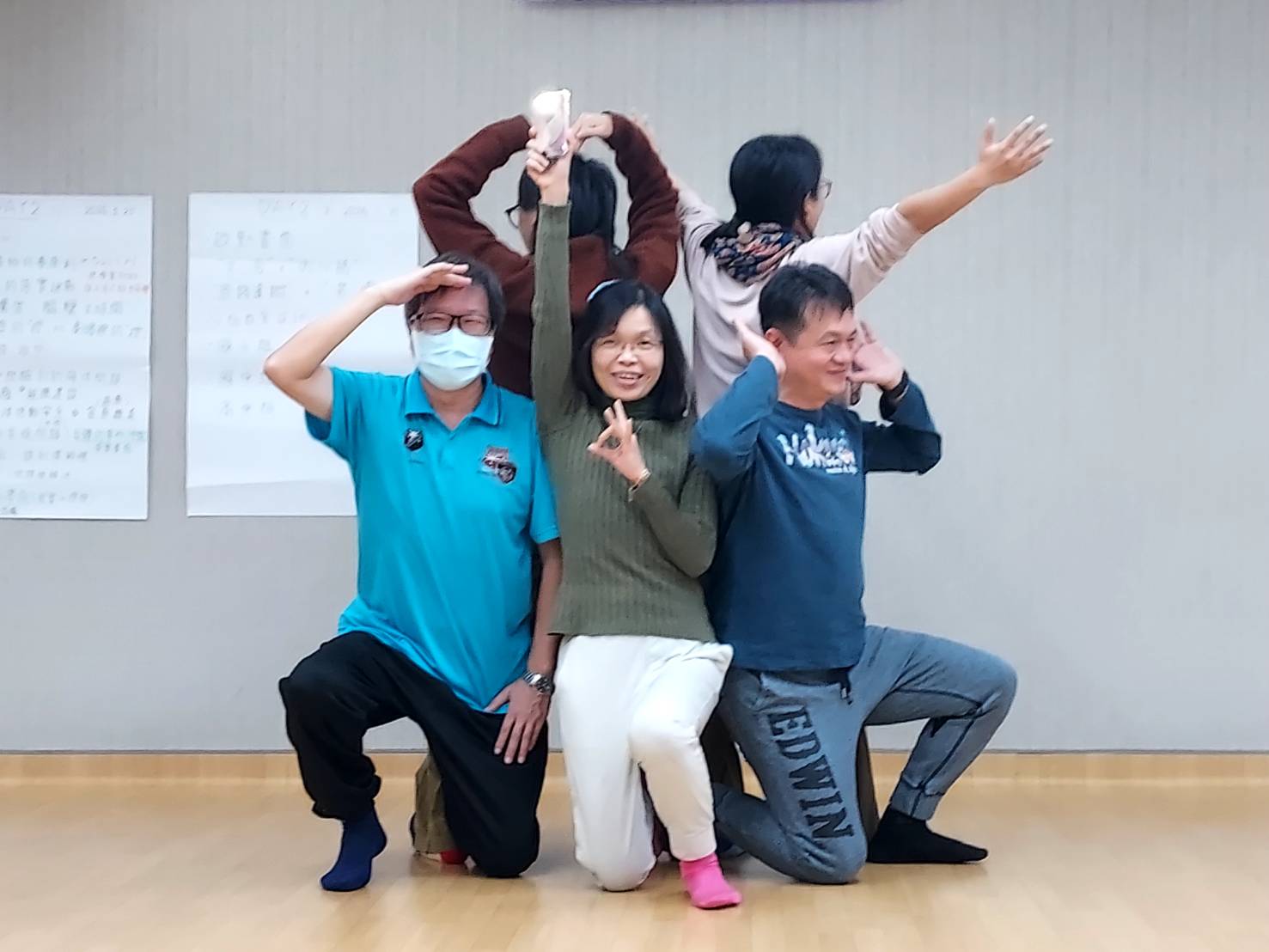
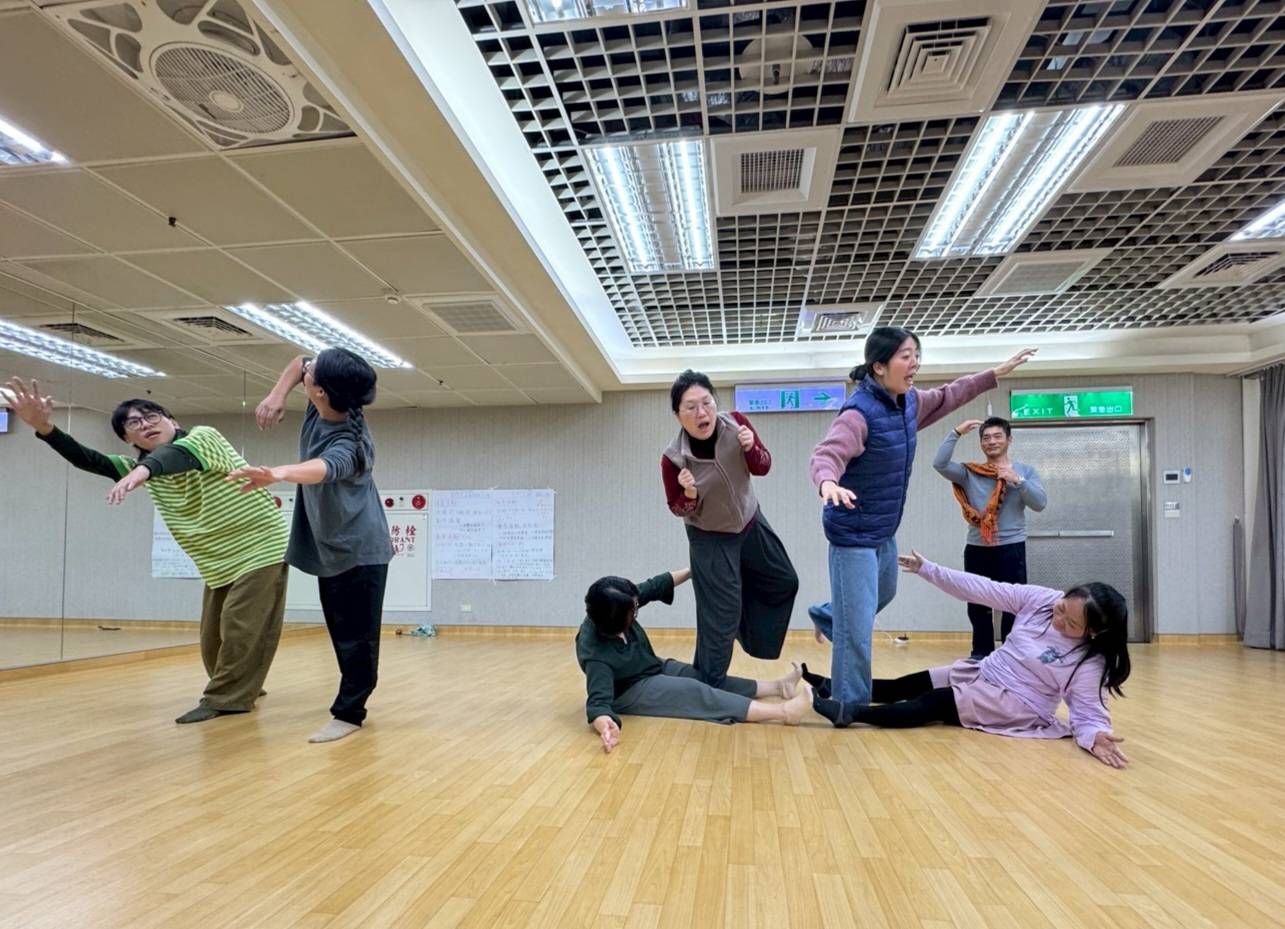
On the first day, the workshop focused on theater games and physical expression. By engaging in activities such as replacing numbers with vocal and physical cues and creating frozen images (tableaux), the participants gradually relaxed and became immersed in the experience in an atmosphere of constant laughter. They learned how to use movement rather than words to convey meaning and began to reflect on how drama can serve as a medium for fostering dialogues in the classroom. On the second day, the participants were introduced to more advanced applications of image theater. Beginning with everyday marine topics, they progressively narrowed their focus to topics such as marine debris, fishery resources, marine safety, and energy. Using a sequence of three tableaux, they depicted problem scenarios before extending them into the design of solution-oriented processes. Guided by instructors, they learned how to examine the details within each scene, asking questions such as “What is happening?” and “What is the key issue?” They also applied techniques such as thought tracking to transform static images into dynamic processes of inquiry and reflection.
On the final day of the workshop, each group of participants spent the morning designing and rehearsing drama-based lesson plans on marine topics tailored to different educational levels (i.e., elementary, junior high, and senior high school). In addition to discussing the precision of teacher prompts, character development, and activity pacing, the participants considered how to avoid presenting a single “correct” answer so as to preserve opportunities for inquiry and exploration. Group presentations demonstrated that the participants not only began acquiring practical drama techniques but also reflected on how drama-based activities can be integrated into classroom instruction in a safe and effective manner within the constraints of limited instructional time. In the afternoon, the participants engaged with the process drama Sea Breeze Rising (Xian Hai Feng) through a demonstration lesson, experiencing the introduction–experience–reflection framework firsthand and exploring how role-playing can foster a deeper understanding of diverse perspectives.
Throughout the workshop, the participants’ interactions and feedback reflected a shift in their understanding of drama-based instruction, from focusing primarily on theatrical techniques to recognizing the pedagogical value of drama-based instruction. By integrating marine topics into dramatic contexts, the workshop transformed abstract concepts into tangible learning experiences. Moving forward, the Taiwan Marine Education Center will continue to support teachers in refining their lesson plans, with the goal of ensuring that drama becomes not only a memorable professional development experience but also a sustainable instructional strategy for enriching marine education.