
2025 Level Green (Beginner) Marine Educator Training Program — Ecological Exploration at the Wazihwei Nature Reserve, Including Hands-on Clam Sorting and Digging Activities
Project Assistant:KUO,CHIA-YU
The "2025 Level Green (Beginner) Marine Educator Training Program” was jointly organized by the TMEC and the New Taipei City Center for Outdoor and Marine Education. The curriculum integrated online learning with on-site exploration to deepen participants’ understanding of local marine education resources and environmental features while enhancing their ocean literacy and instructional capabilities.
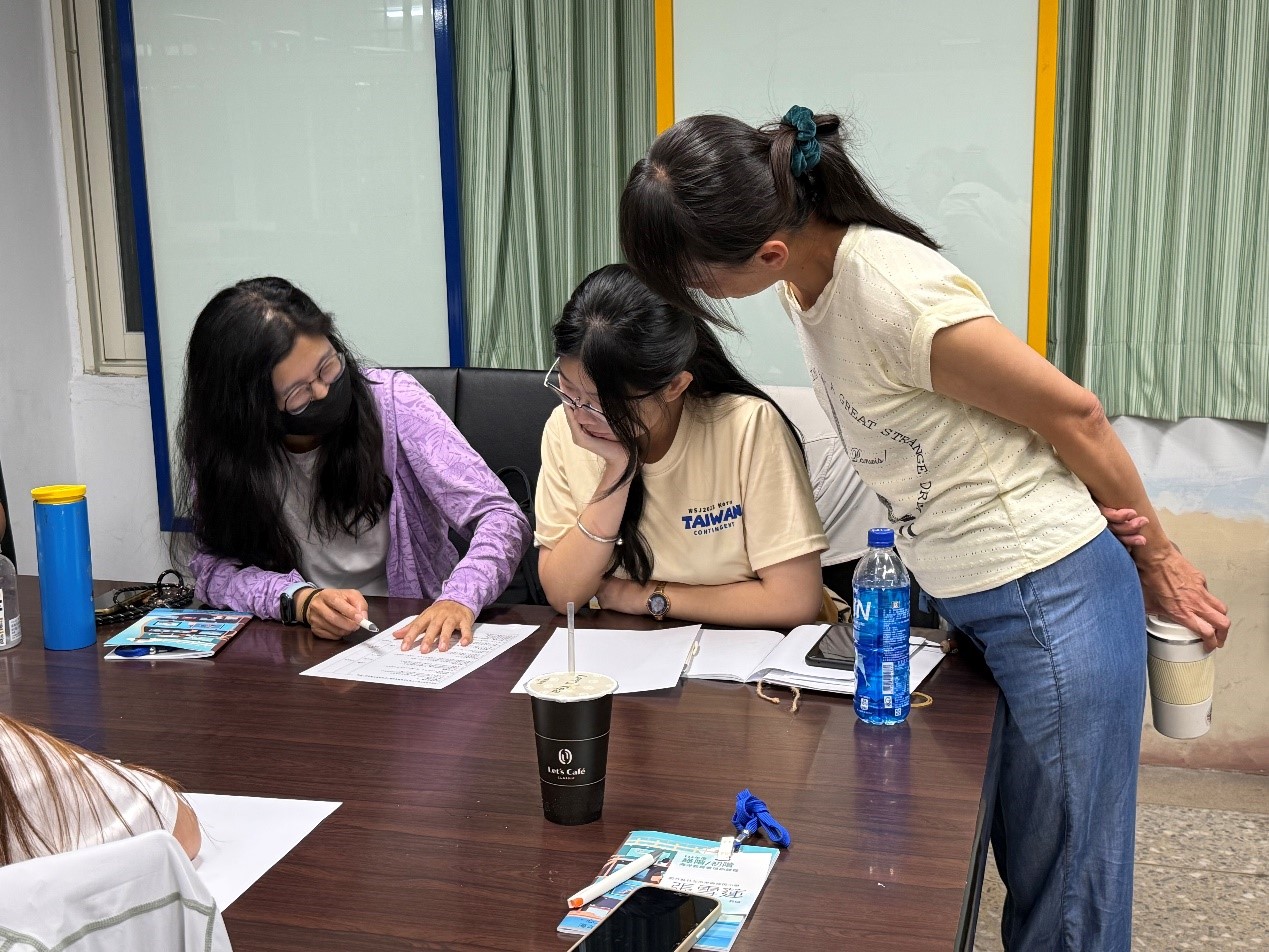
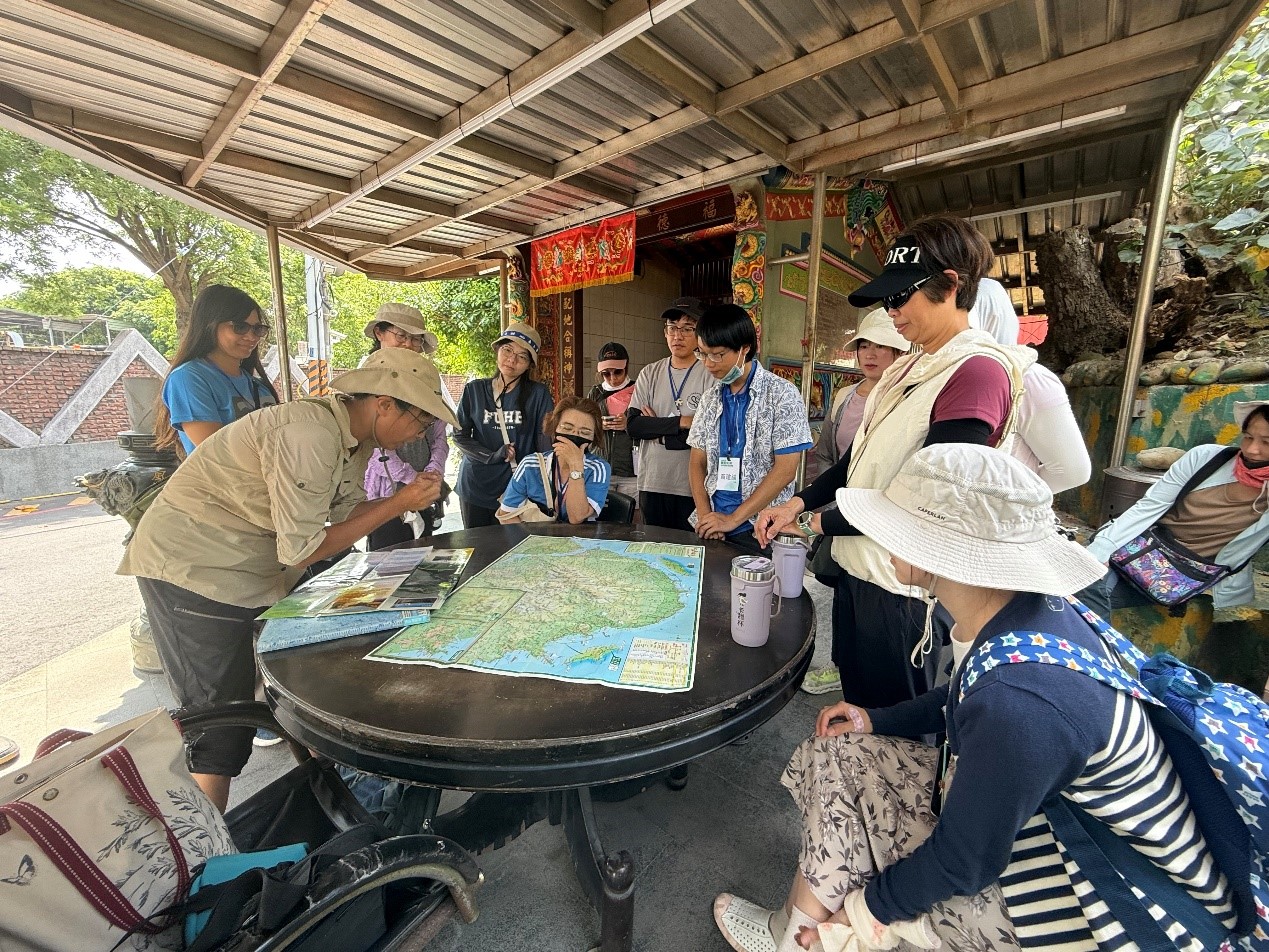
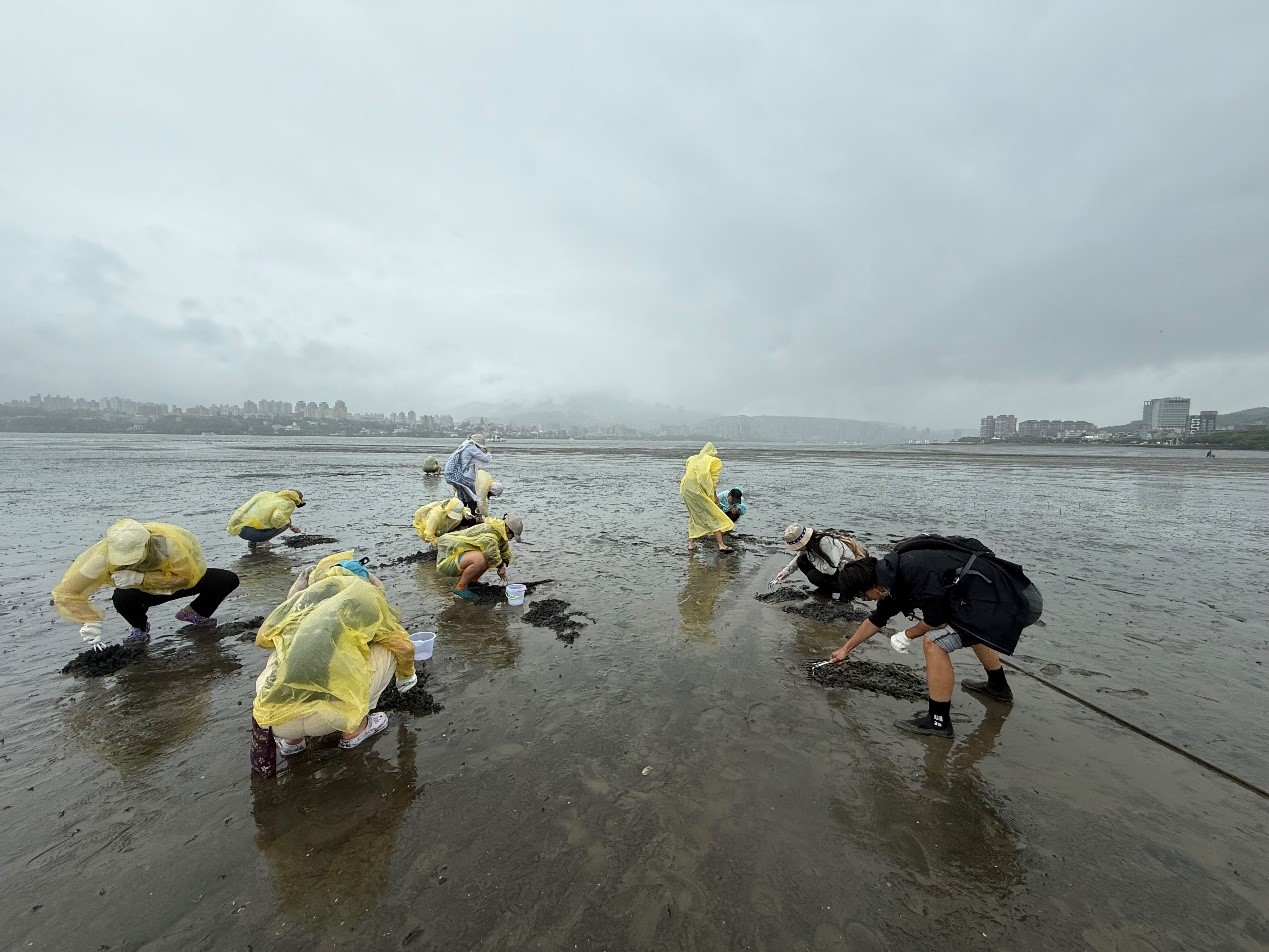
The participants completed three online modules on a massive open online course platform: “Intertidal Zone Organisms and Habitats,” “Cetaceans and the Ocean,” and “Ocean Architects: Coral.” These modules provided them a solid foundation in marine science and environmental stewardship. The first day of the in-person course began with instructional design, with the trainees guided in integrating marine topics into multidisciplinary curricula. Subsequently, an excursion was arranged to the Wazihwei Nature Reserve (Bali District, New Taipei City), where the participants examined estuarine wetland environments and intertidal ecosystems and gained insights into biodiversity and ecological challenges resulting from landscape change.
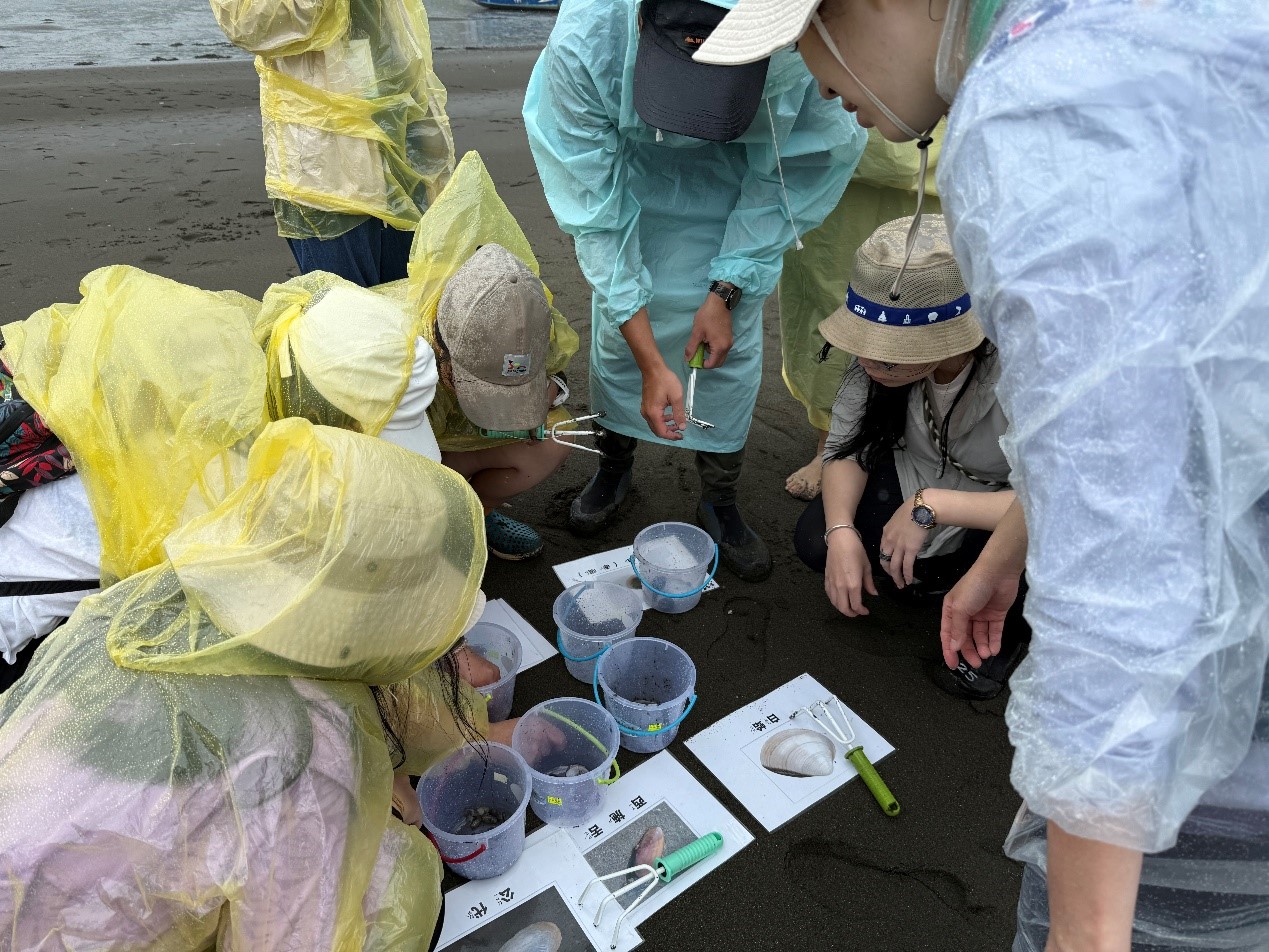
On the second day, the course incorporated the “Little Companion Travel” learning route in Bali District, applying curriculum design in an outdoor learning setting. The trainees engaged in hands-on clam sorting and digging activities, returning clams to their habitat after their observations, thereby ensuring that their investigation aligned with sustainability principles. Indoor sessions supported the participants in developing tailored lesson plans and assessment strategies, enabling them to design marine education content aligned with their teaching goals.
This training program emphasized experiential learning as the foundation for pedagogical practice. Through active engagement with the marine environment, the participants were encouraged to understand it and to identify and implement suitable actions to protect it, collectively injecting renewed energy into the promotion of local marine education.